
The Thrill of Uncertainty
The allure of gambling often lies in its inherent unpredictability. When players enter a casino, they are greeted by a rush of adrenaline and the excitement of not knowing whether they will win or lose. This thrill can be psychologically stimulating; it creates a sense of anticipation similar to what one might experience during a roller coaster ride. The risk involved in gambling taps into our primitive instincts, where the possibility of winning a large amount of money can overshadow the potential for loss, making the experience all the more exhilarating, especially when they try their luck at 1win for various games and promotions.
Moreover, this uncertainty can lead to what’s known as variable reinforcement, a psychological concept where rewards are given out at unpredictable intervals. For example, when a player wins a small jackpot, it reinforces their behavior, prompting them to continue playing in hopes of hitting the big one. This dynamic, rooted in behavioral psychology, makes gambling highly engaging and addictive, as players are constantly seeking that next moment of exhilaration that may come from their next bet.
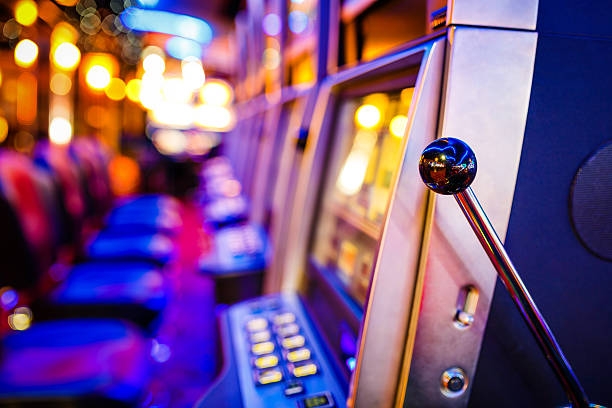
In addition, the ambiance of a casino adds to this psychological experience. With colorful lights, captivating sounds, and an atmosphere charged with excitement, casinos are designed to keep players engaged. This sensory overload can heighten emotions and create a sense of urgency, making individuals more likely to place bets in the heat of the moment. In this environment, the line between rational decision-making and impulsive behavior often blurs, further fueling the desire to gamble despite the associated risks.
The Social Aspect of Gambling
Another compelling reason people are drawn to casinos is the social interaction they provide. Casinos serve as vibrant social hubs where individuals gather, sharing the highs and lows of their gaming experiences. This communal aspect fosters a sense of belonging, allowing players to connect with others who share similar interests and motivations. The shared excitement during gameplay, whether in a slot machine area or at the poker tables, reinforces social bonds among players, creating a unique atmosphere of camaraderie.
Interacting with other gamblers and casino staff can create lasting memories and friendships that extend beyond the gaming floor. Many find joy in celebrating wins, commiserating over losses, or simply enjoying the company of friends and strangers alike. This social component can enhance the overall experience of gambling, making it more enjoyable and compelling, as players seek both entertainment and companionship in their visits to the casino.
Furthermore, the social environment can influence gambling behavior in profound ways. Group dynamics can lead individuals to take risks they might not consider on their own. For instance, when surrounded by enthusiastic players, one might feel more compelled to place a bet or try a new game. This peer pressure, coupled with the overall excitement of a lively casino atmosphere, can significantly impact a player’s choices, making the gambling experience a collective one that is hard to resist.
The Role of Cognitive Biases
Cognitive biases play a crucial role in the psychology of gambling, affecting how individuals perceive risks and make decisions. One prevalent bias is the illusion of control, where players believe they can influence the outcome of a game, such as throwing dice or shuffling cards. This false sense of control can lead to reckless betting, as gamblers convince themselves that skill rather than chance drives their success. The belief in their ability to control outcomes can be a powerful motivator, even when the reality contradicts this notion.
Another common bias is the gambler’s fallacy, the belief that past outcomes influence future results. For instance, someone may think that if a slot machine hasn’t paid out for a while, it is “due” for a win. This distorted reasoning can lead to prolonged gambling sessions and increased financial risks, as players chase after expected wins based on erroneous logic. By understanding these biases, individuals can better recognize why they continue to gamble, even in the face of mounting losses.
These cognitive distortions can be difficult to overcome, especially for those who develop a strong attachment to the thrill of gambling. As individuals become more immersed in the casino experience, their biases can become more pronounced, leading them to make poor financial decisions. The challenge lies in balancing the enjoyment of gambling with the awareness of these psychological traps that can lead to detrimental behaviors, emphasizing the importance of self-awareness and critical thinking in gambling contexts.
The Emotional Connection to Winning
Winning in a casino can evoke a powerful emotional response, which is another significant factor in why people choose to gamble. The euphoric feeling of winning can trigger the brain’s reward system, releasing dopamine and creating a sense of pleasure that reinforces the behavior. This not only feels good in the moment but also creates a lasting memory associated with the victory, increasing the likelihood of returning to the casino for more. The emotional high of winning can be intoxicating, often overshadowing the rational understanding of the risks involved.

Conversely, the despair of losing can be equally intense, leading some gamblers to experience what is known as “loss-chasing.” This emotional roller coaster can drive individuals to bet more in hopes of recouping their losses, often resulting in a downward spiral. The highs and lows of gambling can create an addictive cycle, where the desire for the next win overshadows the reality of past losses, leading to a continuous back-and-forth between elation and despair.
Interestingly, the emotions tied to gambling can also vary widely among individuals. Some players may approach the experience with a casual mindset, viewing it as entertainment, while others may develop a more competitive, emotionally charged relationship with the games. Understanding these emotional connections helps to explain why gambling remains a popular activity, even amidst the risks and potential for loss. The search for that euphoric feeling keeps many players returning, hoping to relive their best moments on the casino floor.
Understanding Responsible Gaming
With the complexities of gambling psychology in mind, it’s essential to approach this activity responsibly. Understanding the psychological factors at play can help players make informed decisions regarding their gambling habits. Responsible gaming initiatives encourage players to set limits on their time and money spent in casinos, thereby promoting a healthier relationship with gambling. Recognizing one’s triggers and the emotional responses associated with gambling can be key steps toward maintaining control and ensuring that the experience remains enjoyable.
Many casinos are now incorporating responsible gaming measures, providing resources such as self-exclusion programs and tools for players to track their spending. These initiatives aim to foster a safer gambling environment while still allowing players to enjoy the excitement of the casino experience. By prioritizing responsible gaming, players can enjoy the thrill without succumbing to the darker side of gambling, creating a more sustainable approach to this popular pastime that enhances long-term enjoyment.
As awareness grows regarding the psychology of gambling, both players and casinos have an opportunity to engage in more productive conversations about the nature of this activity. By embracing the knowledge of cognitive biases, emotional triggers, and social dynamics, individuals can navigate the gaming landscape with greater insight and responsibility. Ultimately, a balanced approach can lead to enjoyable experiences while mitigating the potential risks associated with gambling, ensuring that this form of entertainment remains a positive aspect of life for many.